The insurance bet on a blackjack table is one of the most misunderstood wagers in the room, and most Aussie players who take it are quietly bleeding chips. Insurance is a separate side stake offered when the dealer’s up-card is an ace, paying 2:1 if the dealer completes a natural blackjack. On the surface it feels like a safety net, but mathematically it is a losing proposition over time because the dealer makes a ten-value card only about 30.8% of the time, while a winning insurance ticket is paid as if it lands closer to 33%. That gap is the house edge baked into the side bet, and no card-counting trick at a standard Perth-facing table makes it disappear for casual play.
Should You Take the Insurance Wager

The first question to weigh is whether the dealer is actually likely to have a ten underneath. In a freshly shuffled shoe, the answer is no more than the base rate of roughly one in three, which is below the breakeven threshold for a 2:1 payout. The second question is how much of your bankroll the insurance bet eats relative to your main hand. Even when the insurance wins, it only refunds the original stake; it does not put you ahead unless you have also been dealt a natural yourself. Players who treat insurance as a hedge against a strong dealer ace are really paying a premium for a small comfort, which is why serious advantage play in Las Vegas-style pits keeps insurance off the menu except in narrow counting spots.
Card Counting and the Insurance Edge
Card counting flips the insurance math in a very specific way, and it is worth understanding even if you never plan to run a count at your local club. When the shoe is stacked heavily with tens and aces, the probability of the dealer holding a ten underneath climbs above 33%, and only then does insurance become a positive expectation bet. The famous MIT teams famously bet insurance in unison when the count screamed, turning a normally negative bet into one of their most reliable edges. For everyone else, though, counting cards to chase insurance alone is a mugs’ game, because the variance is brutal and the requirement of seeing most of the shoe is unrealistic in a casual Aussie session. Anyone who has watched a casino implosion in Las Vegas knows the house likes spectacle when it retires old properties, and the same ruthless math governs the insurance box on every shoe.
How the Insurance Bet Hits Your Bankroll
Walking through the numbers makes the cost obvious. Bet $20 on the main hand and $10 on insurance, and the most common outcome is the dealer does not have blackjack, so your insurance is gone and you are playing a $20 hand from a smaller stack. Even in the lucky 30% of cases where the dealer turns a ten, the $20 insurance payout only offsets your original stake, leaving you flat on that side. The bankroll damage compounds over a long arvo session because the insurance bet is taken on roughly one in eight hands when the dealer shows an ace, and the cumulative hit is meaningful. Smart bankroll discipline, the same kind you would use managing a staking plan on a betting exchange, treats insurance as a discretionary spend rather than a defensive move.
When Insurance Might Be Defensible
There is one narrow scenario where insurance is not the worst decision: a perfectly even-money situation where you also hold a natural blackjack yourself. In that case, taking insurance guarantees a push on the main hand while the insurance pays 2:1, effectively locking in a small win regardless of the dealer’s hole card. It is the closest thing to a justifiable use of the bet, and it is the only time most disciplined players will click the insurance box without flinching. Outside of that window, the smart move is to decline, keep your chips on the felt, and trust the basic strategy chart to do the heavy lifting. If you want to see how the side bet behaves in a fast-dealt multihand environment, the multihand blackjack Visa payouts overview for Australian players breaks the flow down nicely. For a broader look at table-game flow and cashier mechanics, gates-of-olympus-slots-au.com is a solid bookmark.
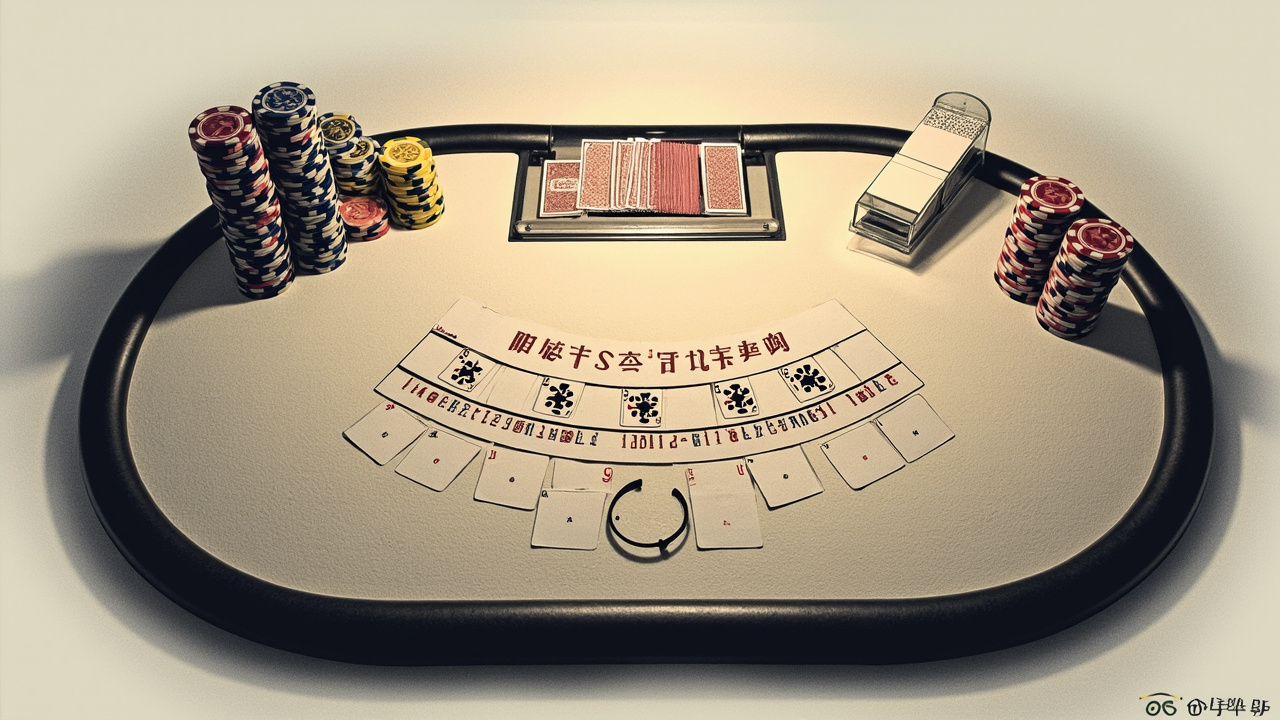
The verdict is defo straightforward: insurance is a tax on the unsure, and the only way to come out ahead is to understand exactly when the math, the shoe, and your own hand line up. Reckon on skipping it ninety-nine times out of a hundred, and you will keep more of your bankroll alive for the hands that actually matter.